Build on This / A possible direction
An editorial business for the funded-company economy
A publication with a defined beat, a repeatable issue and useful reporting for startup operators.
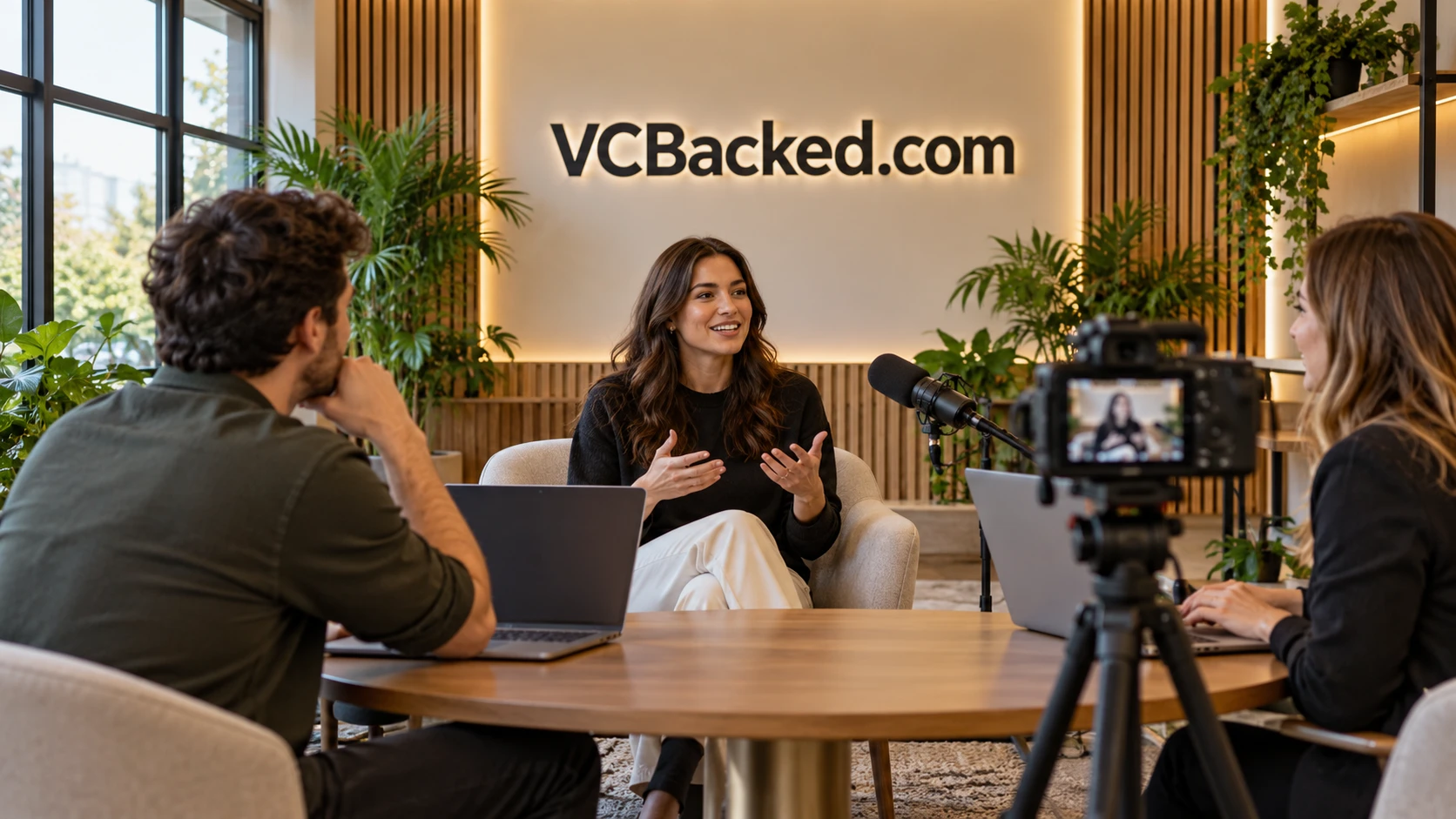
An editorial business on VCBacked.com could cover the operating work behind venture-backed companies. The audience might already see funding announcements elsewhere. A more focused publication could answer what teams do after a headline: how a department takes shape, how a process changes and what a specific decision looked like from inside the company. This concept is an illustrative direction for a future buyer, rather than an existing newsroom included with the domain.
The first editorial choice should be narrow enough to guide a real week of reporting. A publication for early company operators could focus on the transition from informal founder-led work to repeatable team processes. That creates a recognizable beat across hiring, customer support, internal communication and product operations. It also gives an editor a way to decline stories that are interesting but do not serve the reader’s job.
Write the coverage promise
A useful promise describes both the audience and the output. For example, a weekly issue might explain one operating decision through a reported interview, show a practical artifact the reader can adapt and summarize a small number of relevant changes. The editor should be able to ask of each proposed item: what can this reader understand or do differently after reading it? That question helps separate reported value from another general opinion about startups.
Set the coverage boundaries in writing. Decide whether the publication reports company news, accepts contributed material, covers its sponsors or provides product recommendations. Explain how corrections work. Keep paid placements clearly identified and separate from independent editorial decisions. These choices are easier to make before a potential sponsor asks for special treatment. They also help a small team work consistently when a deadline arrives.
Design one complete sample issue
Before building a large archive, produce a sample issue that can be read from beginning to end. Open with a short explanation of the week’s operating question. Follow with the strongest reported story, then a useful supporting example and a brief closing section. The sample does not need a complex content management system. It needs enough substance for a prospective subscriber to judge whether the publication deserves a place in their inbox.
For a story about a first support hire, the reporting could ask what triggered the hire, which tasks were handed over and how the founder knew the handoff was working. A useful supporting artifact might be an intake checklist recreated from the interview with permission. Avoid copying a company’s private documents or presenting a hypothetical template as an actual internal record. Label the provenance of every example so readers know what they are seeing.
Build the reporting routine
The editorial calendar should begin with questions, not just titles. Keep a queue of problems readers mention repeatedly and identify people who can describe a concrete experience with each one. Prepare an interview brief with the question, likely sources and facts that need confirmation. After the interview, distinguish direct quotes, reported facts and the writer’s interpretation. Those categories require different handling when a draft is edited.
A small publication still needs a final check. Verify names, roles, dates, links and quantitative claims against a current primary source where possible. Ask for clarification when a speaker uses an ambiguous term. Keep an internal note of what was checked and when. For a reported piece about an old decision, make the timing clear so a reader does not assume the company still works the same way. Accuracy includes the context around a fact.
Test distribution before adding formats
Choose one primary distribution format for the pilot. An email issue and a readable web archive can work together, but a daily social channel, podcast and event program create several additional workflows. Interview early readers about how they discover relevant work and when they would read it. Then test the format with a small, permission-based subscriber group. Measure replies, repeat reading and the kinds of stories people share with colleagues.
Subscription numbers alone cannot tell the editor which part of the issue helped. Ask a specific question in the pilot: which item would the reader have missed if it were absent? That answer can reveal whether the reported feature, practical example or concise roundup carries the value. Keep the question optional and avoid turning every issue into a feedback survey. The publication’s main job remains useful editorial work.
Choose a commercial model deliberately
A free issue supported by sponsorship has different operating needs from a paid specialist publication. Sponsorship requires a credible way to describe the audience and a clear separation between commercial promises and editorial coverage. Paid subscriptions require a recurring reason to stay and an honest description of what subscribers receive. A buyer should model reporting time, editing, production and audience development before deciding what price or sponsor inventory makes sense.
VCBacked.com could provide the shared identity across the publication, archive and future formats. The next useful step would be to draft the coverage promise, commission a sample issue and ask a small group of target readers to critique it. If they can identify the problem it solves and want another issue, the buyer has something specific to investigate. The domain can support that identity while reporting quality, consistency and distribution determine whether the publication earns a lasting audience.
Interested in VCBacked.com?
A clear name for the companies building what comes next.