One address, many companies
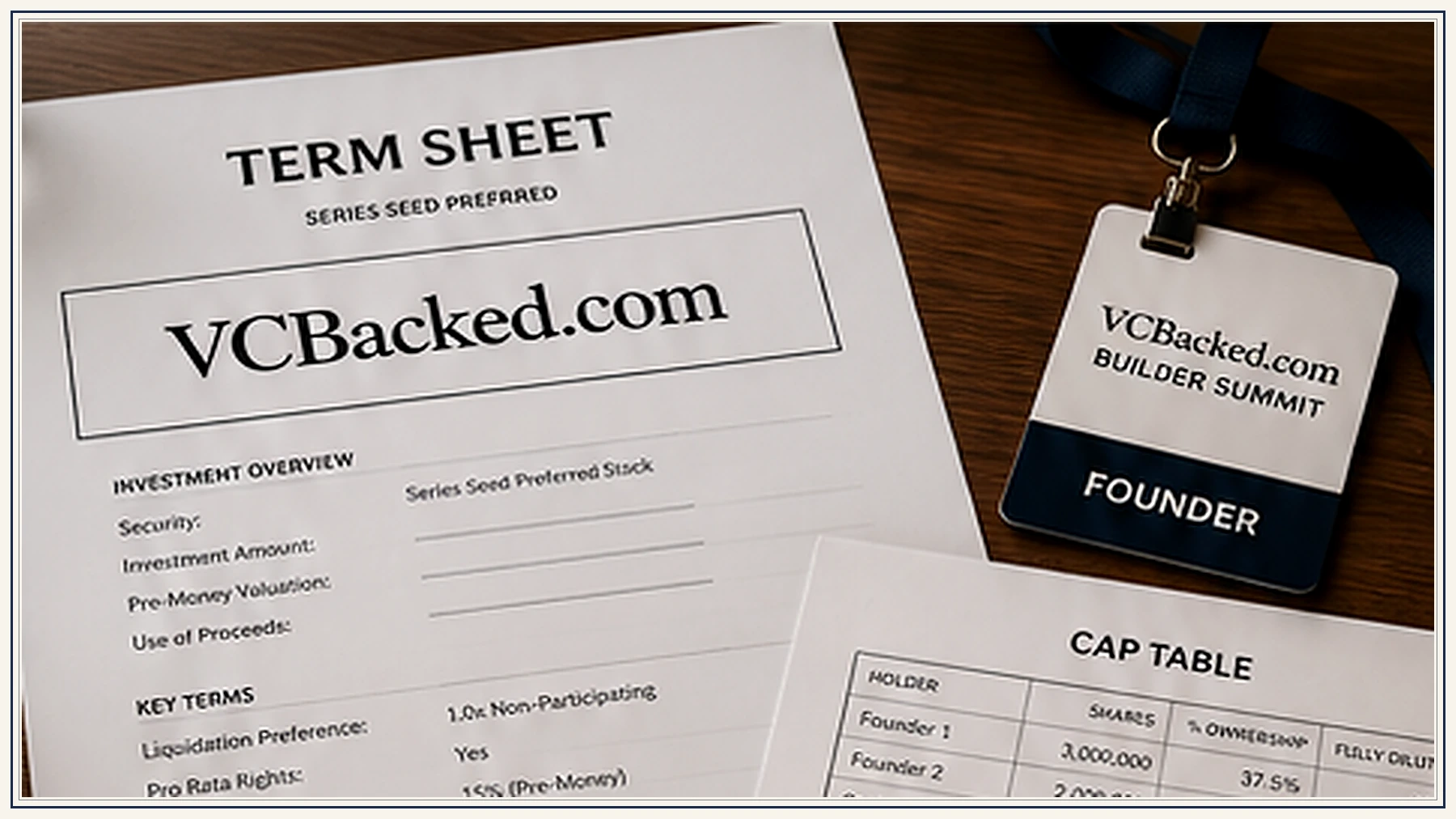
I see a portfolio house as a public operating layer above a carefully chosen group of venture-backed companies. The first task is not collecting logos. It is explaining why these companies belong together and what the house does for them. VCBacked.com could give that work one direct address. A founder visiting the site should understand the selection standard, the help available, and the people accountable for it within a minute. The strongest version would begin with a small portfolio and a visible operating thesis, then let results make the case for expansion.
A point of view before a portfolio
The house needs a thesis that can guide actual decisions. Stage, market, geography, founder profile, and operating need are all possible filters, yet a long list of filters can conceal weak judgment. I would write a short investment and company-building memo before inviting the first company. The memo would state which problems the house understands, what support it can deliver, and where it has no special advantage. Public firms such as Sequoia Capital show how a clear body of thinking can give individual company stories a recognizable institutional frame.
Build the service spine
A useful portfolio house earns its place after the introduction. I would start with three repeatable services tied to common founder pressure: senior hiring, customer introductions, and financing preparation. Each service needs an owner, an intake method, a response time, and a record of outcomes. The site can publish short operating notes that turn private lessons into shared knowledge while protecting confidential details. Andreessen Horowitz demonstrates how a firm can pair a portfolio with substantial writing and operating material. VCBacked.com could take a smaller, more personal approach.
Make every company legible
Each portfolio page should tell a compact company story: the customer, the hard problem, the product, the founders, the stage, and the reason the house became involved. Generic praise gives readers little to remember. Specific language helps customers, candidates, and future investors find a reason to continue. I would ask every company to maintain one current paragraph, three proof points, and a clear contact route. The result becomes more useful than a logo wall because a visitor can compare businesses without stripping away what makes each one distinct.
Use a calm operating cadence
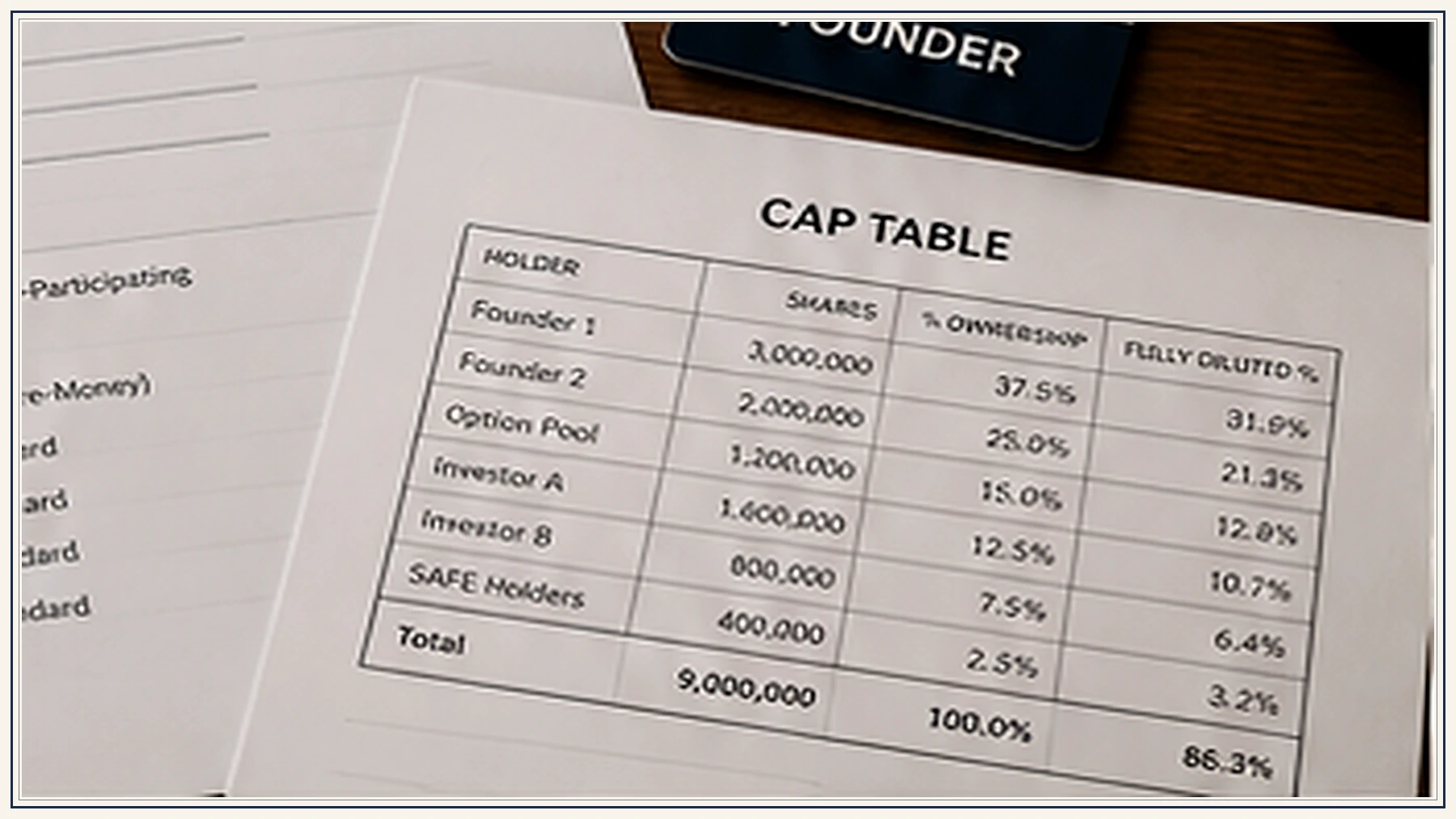
A portfolio house can easily become a stream of announcements. I would choose a calmer rhythm: a monthly operating note, a quarterly portfolio review, and occasional deep work around a decision founders are facing. Bessemer Venture Partners has built a long-running library around company building, which is a useful reminder that institutional memory compounds when it is organized. The goal for VCBacked.com would be practical continuity. A new founder should find earlier answers, while an experienced operator should see where a fresh contribution belongs.
Govern the name carefully
The public promise needs rules. I would document how a company enters the portfolio, how conflicts are handled, who may speak for the house, and when a company leaves the active set. Those rules protect founders and preserve the meaning of the name. They also prevent the site from implying a financial relationship where none exists. Clear dates and roles matter. A portfolio is a living record, so every company page needs an owner and a review schedule rather than remaining online unchanged after the underlying facts move.
Measure useful introductions
The best measurement is connected to company progress. I would track qualified customer meetings, accepted candidate introductions, financing preparation completed, and founder requests resolved. Page views can support editorial decisions, but they do not prove that the house helped a company. Greylock offers another example of a venture firm whose public work connects ideas, people, and portfolio. A VCBacked.com portfolio house could publish a modest annual account of its own activity, with totals and examples that make the operating promise testable.
Start small enough to be excellent
I would launch with three to six companies whose leaders already trust the operating model. The first ninety days would focus on complete profiles, a private request channel, a public thesis, and one service delivered consistently. An expanding directory could wait. The name creates room for a larger institution, but the earliest proof should be close and concrete. If founders return because the house solves real problems, the public brand gains substance. That is how VCBacked.com could become a portfolio address that companies are proud to share.
The first year
During the first year, I would review every service quarter by quarter and ask founders which help changed an outcome. The public account would include the work completed, lessons that can be shared, and priorities for the next period. New companies would enter only when the house can support them at the stated standard. This controlled pace gives staff time to learn where introductions succeed, where requests stall, and which published notes remain useful. A portfolio house becomes credible when its internal practice and public language describe the same institution.