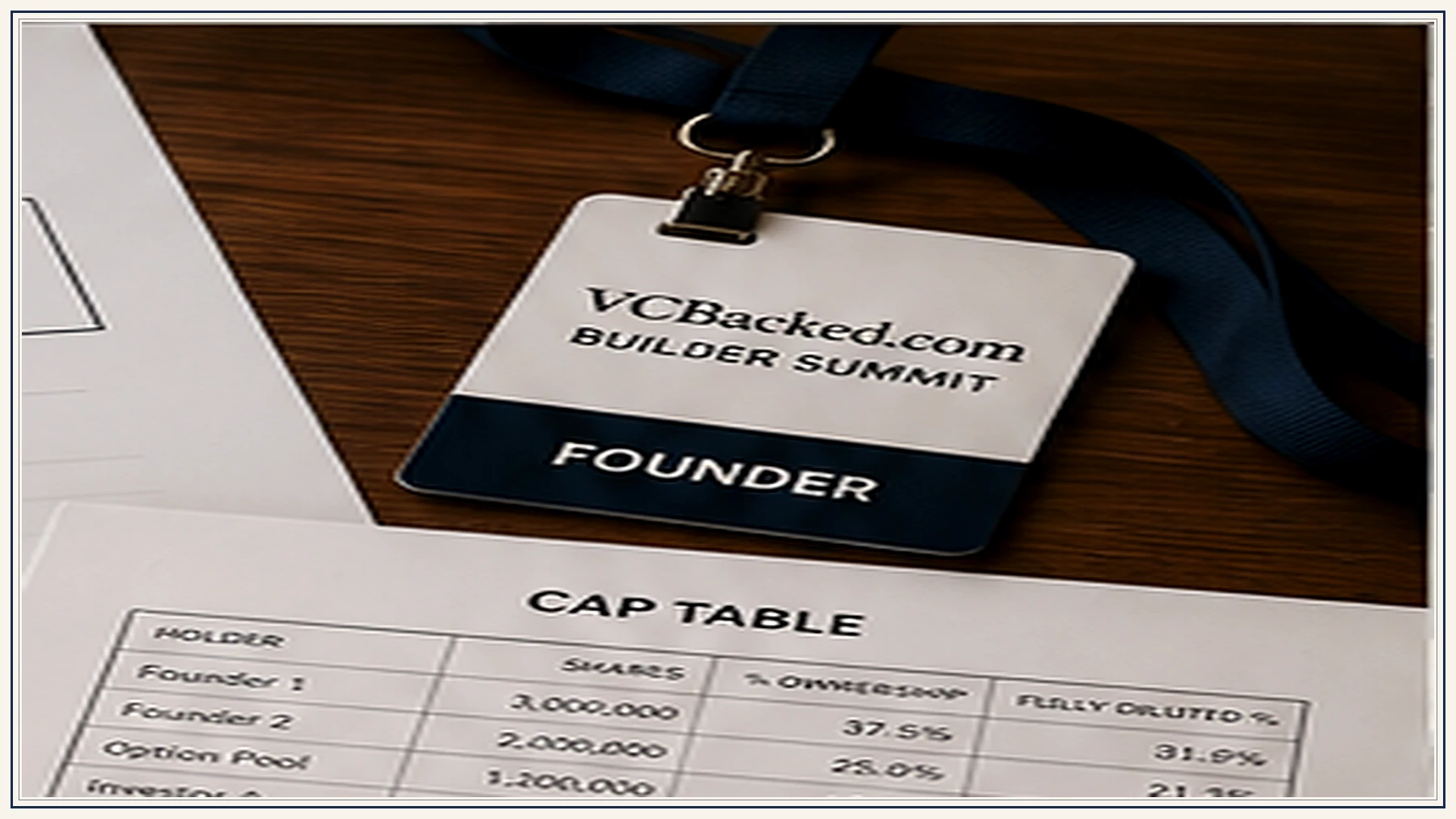
A room with a reason
I would build the network around a simple promise: funded founders can bring a current operating problem to a small group of peers who understand the stakes. VCBacked.com is well suited to that room because the name states the shared context immediately. Membership alone is not the product. The product is a pattern of useful exchanges that saves a founder time, improves a decision, or creates a trusted introduction. The opening cohort should be intentionally small enough that every member knows why the others are present.
Select for contribution
A founder title is a starting point, not a complete admission standard. I would ask what stage the company has reached, which decisions the founder can help others make, and what problem is currently pressing. That creates a balanced room rather than a crowd of people seeking the same thing. First Round Review has shown the value of extracting detailed operating knowledge from experienced builders. A network can bring that exchange into live conversation, with clear expectations that members arrive prepared to give as well as ask.
Organize around moments
The calendar should follow founder moments rather than broad themes. Hiring a first sales leader, repairing a board update, extending runway, changing price, or preparing a new round can each support a small session. I would cap attendance, gather questions in advance, and circulate a concise record afterward. SaaStr illustrates how a defined company stage can support an enduring community and body of work. VCBacked.com could serve founders across sectors while keeping every gathering tied to a decision someone must make now.
Keep private and public layers distinct
Founders speak candidly only when the boundary is clear. Private sessions need a firm rule on attribution, recording, and solicitation. The public site can publish synthesized lessons after participants approve the result, while confidential company details remain in the room. That separation turns trust into a system rather than a mood. A member should know which channel is appropriate before posting. Good moderation then becomes less about constant intervention and more about maintaining the conditions everyone accepted when joining.
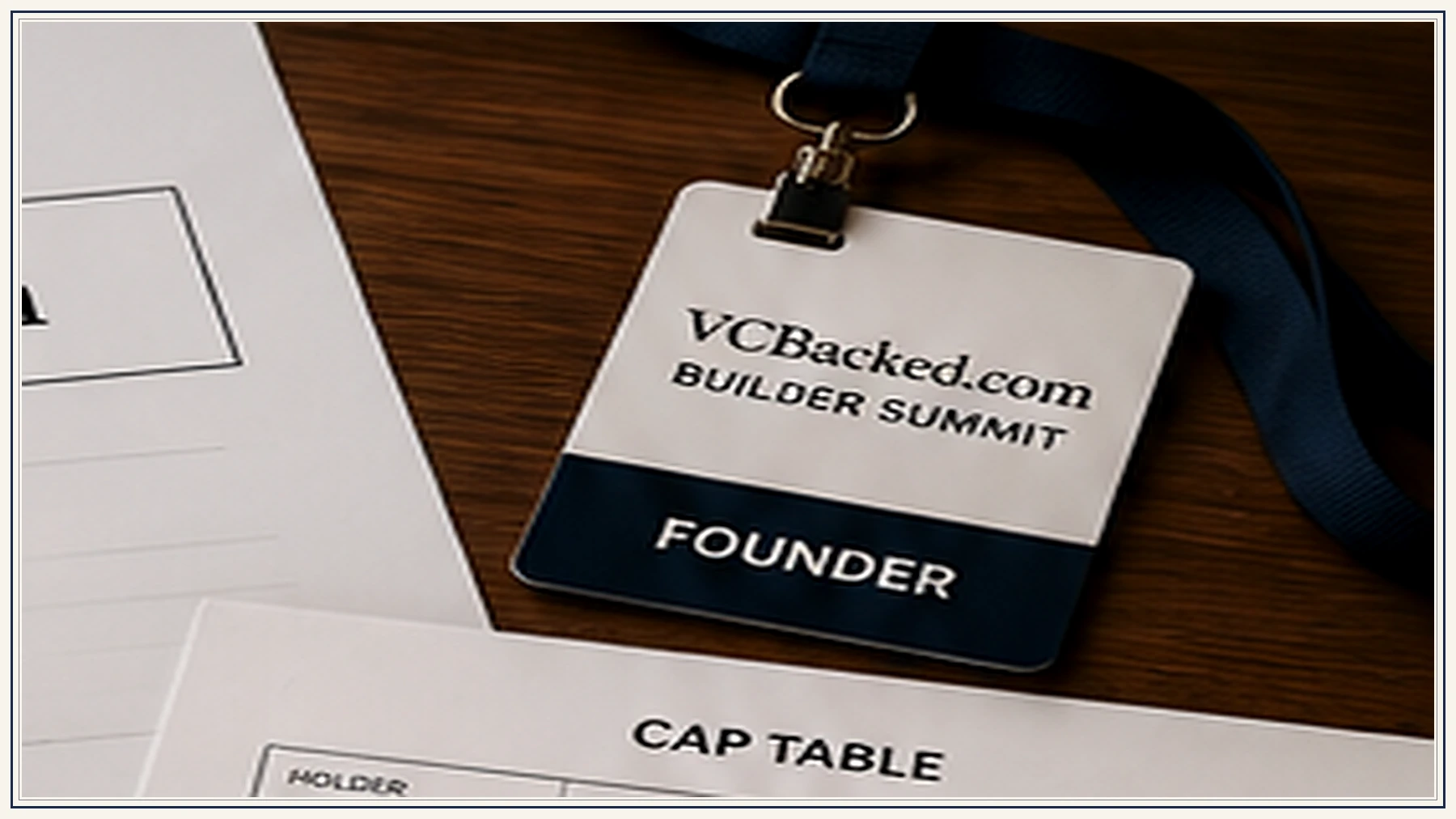
Design out the feed
I would avoid a general activity feed. It rewards frequency and makes urgent requests disappear beneath casual updates. A structured request board is better: context, decision date, help requested, and status. Indie Hackers proves that peer exchange can produce deep practical value when builders share real work. The VCBacked.com version would add stronger stage and confidentiality controls. Members could subscribe to the types of questions they can answer, so the right request reaches a few capable people instead of demanding attention from the entire network.
Give the room a host
Every serious network needs visible hosting. The host welcomes members, sets the session standard, follows up on requests, and notices when one voice takes too much space. I learned from building publishing businesses that participation improves when someone owns the shape of the exchange. A blank platform does not create judgment. The host should also record recurring questions and recruit the next guest or member based on a known gap, which keeps programming responsive to the group rather than driven by a generic content calendar.
Charge for accountable value
Pricing, if introduced, should correspond to a dependable service rather than access to a list. A cohort, facilitated council, or operating clinic offers a clear unit of value. On Deck provides a useful public example of structured professional community. I would begin VCBacked.com with invitations and a short pilot, measure which sessions lead to decisions or introductions, and only then define a paid format. Members should be able to describe what changed because they participated. That account is more persuasive than a large registration number.
A disciplined first season
The first season could run for eight weeks with twenty founders, four facilitated sessions, and a limited request board. Every participant would enter with one area of experience and one current challenge. At the end, I would interview each member and publish an anonymous account of themes, outcomes, and changes for the next cohort. If the room produces trust and useful action, the name can carry larger programs later. VCBacked.com would begin as a place founders remember for the quality of a conversation, not the volume of activity.
What earns renewal
I would ask members to renew only after the network can name its value clearly. Useful evidence includes a decision improved by peer context, a qualified introduction accepted by both sides, or a recurring council that members protect on their calendars. The team should also record why people leave. A network can serve a narrow season in a founder’s work without pretending to be permanent. Honest retention data, careful exits, and alumni who still answer a relevant question would tell me the room has built something worth extending.